Stayinto · Boat charter
Sint Maarten
A limestone ridge divides this island between two nations, and the border runs through the middle of a salt pond where flamingos wade at dusk. The Dutch side and the French side speak different languages, use different currencies, and cook with different spices, yet they share t…
A limestone ridge divides this island between two nations, and the border runs through the middle of a salt pond where flamingos wade at dusk. The Dutch side and the French side speak different languages, use different currencies, and cook with different spices, yet they share the same narrow roads, the same trade winds, and the same sense that the Caribbean here is small enough to cross on foot but large enough to feel like a world.
The northern parishes around Marigot hold the island's French character—narrow streets where Creole voices carry between shuttered buildings, markets that smell of nutmeg and cinnamon, and a waterfront where fishing boats tie up beside restaurants with zinc counters and plastic chairs. Inland, the land rises into scrub and low forest where goats graze on thorny bushes. The southern parishes around Philipsburg shift into Dutch efficiency: wider streets, a cruise port where ships dwarf the town, a commercial harbor where container vessels wait offshore. The east coast opens to long beaches and calmer water; the west coast faces the Atlantic swell and darker sand. Between them, the interior stays quiet—small villages, rum shops, the occasional plantation house converted into a museum or a home.
A day here moves between scales. In Marigot, morning means coffee at a café where you watch the harbor fill with light, then walking through the market where vendors arrange avocados and christophenes in pyramids. The smell of rotisserie chicken drifts from lunch counters. By afternoon, the heat drives people indoors or to the water. In Philipsburg, the rhythm is faster—cruise passengers flood the duty-free shops, then vanish by evening, leaving the town to locals again. Away from the towns, the day is quieter: the sound of waves on the reef, the calls of frigatebirds, the wind in the dry forest. Sunset comes quickly, around six, and the light turns copper and then violet within minutes. Restaurants fill with both tourists and residents; the island's two cultures eat the same food—conch salad, johnny cakes, stewed goat—but with different names and different stories about where it comes from.
The wish to stay builds slowly. It is not the beaches, though they are there—Mullet Bay with its curve of pale sand, Cupecoy where the cliffs rise behind the shore, Grand Case where the water turns turquoise at the reef edge. It is the sense of being between worlds, where you can hear French and Dutch and English and Spanish in a single morning, where the island's smallness means you might walk past the same fisherman twice in a day and recognize him the second time. The trade winds cool the afternoons. The salt ponds reflect the sky. The people move at their own pace, not a tourist pace. After a few days, the island stops feeling like a destination and starts feeling like a place where you could actually live—a place where the border between two nations runs through a pond, and nobody seems to mind very much.
Pick your week
The fleet
The boats
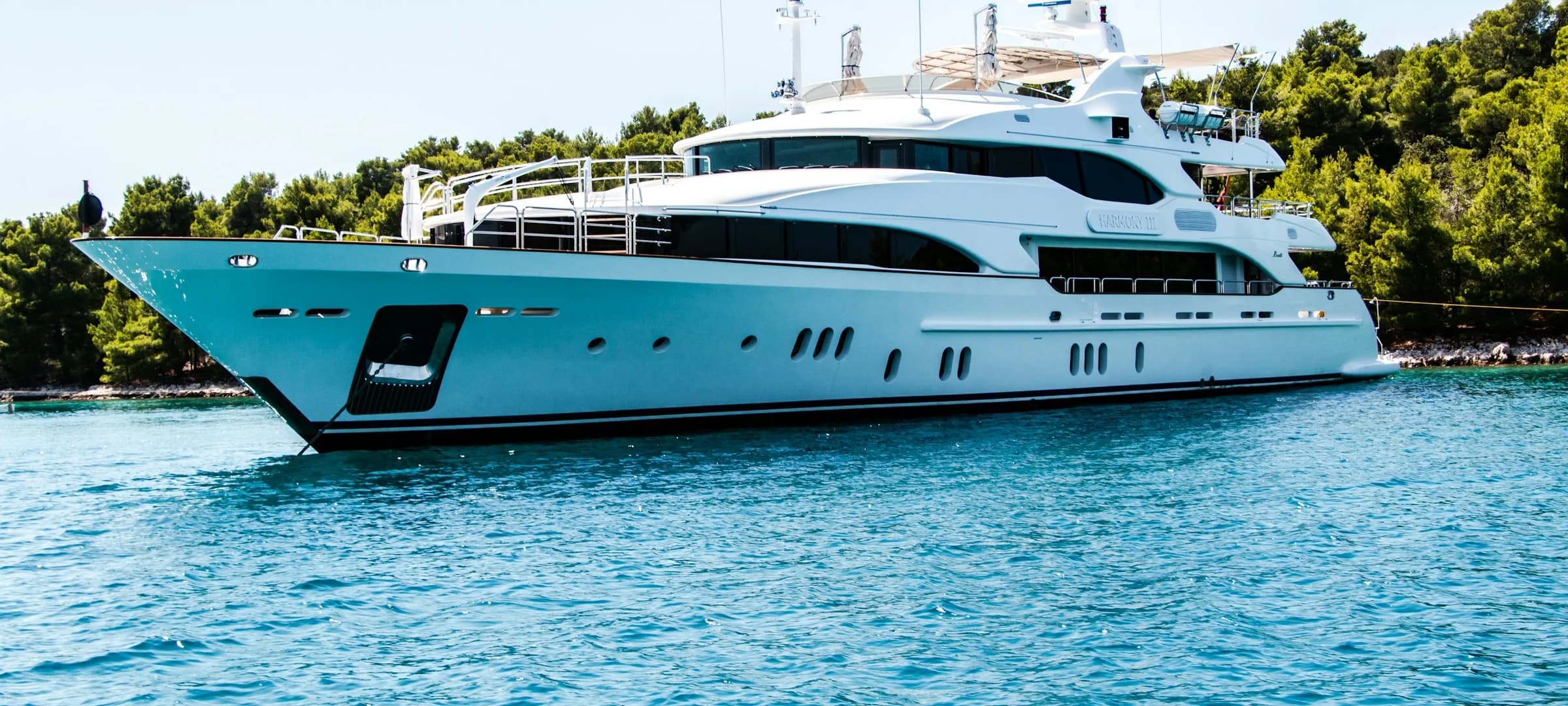
1 boat available · 1 of 1 shown

Ports map
1 departure port in this area
Each marker is a marina where your charter can start.
Ready to board in Sint Maarten?
Set your dates and sailing style. Stayinto Concierge is available 7 days a week to confirm your charter.