Stayinto · Administrative region
Corse
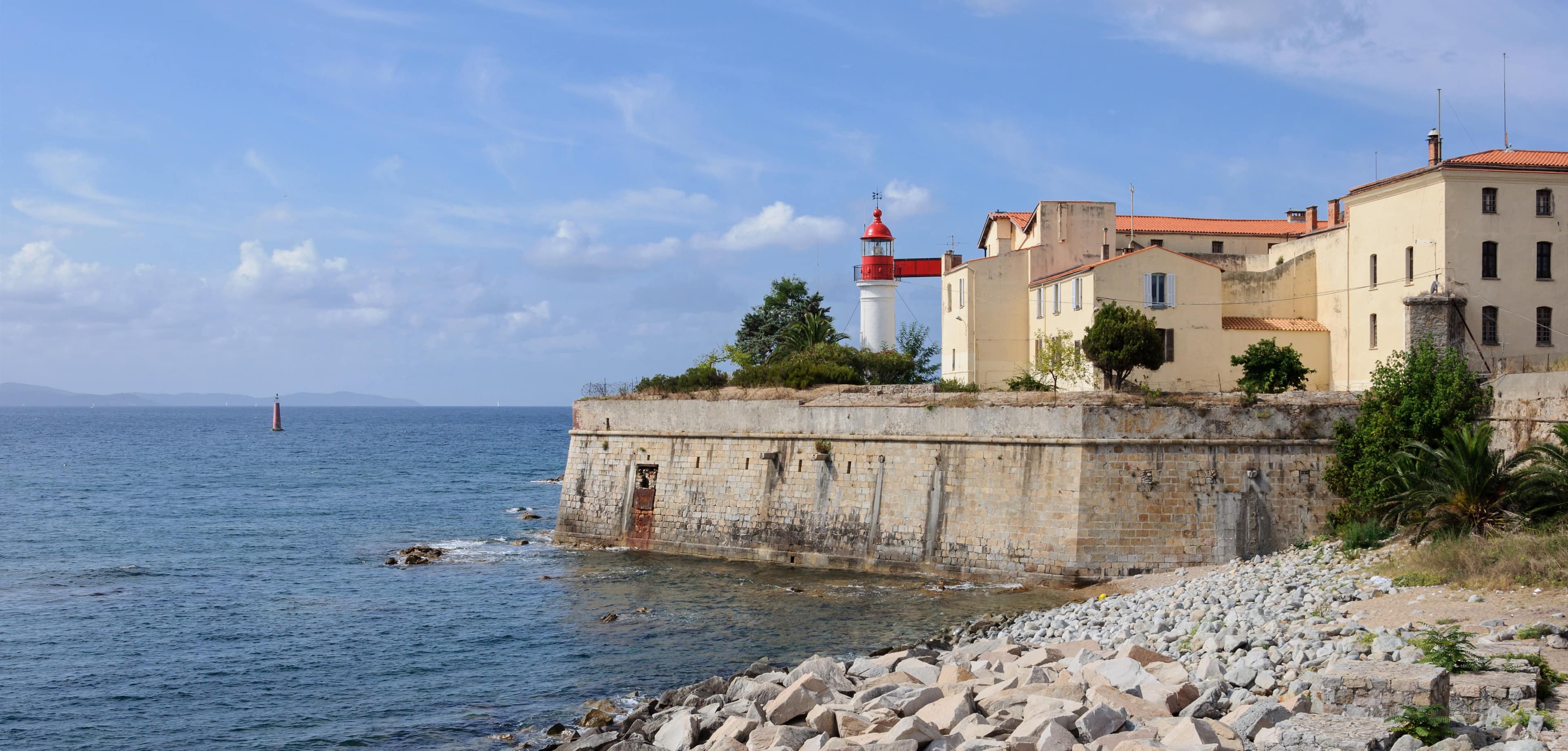
Red granite towers drop into water so clear the rock seems to continue beneath it. Corse is a mountain region that happens to sit in the sea, and most of its character lives above the coastline.
Corse
The west is a coast of rock. Around Piana and the Gulf of Porto, the granite has been carved into fins, arches and fists that stand in the water, while the roads above them hang on bends with nothing but scrub and drop between. Further north, Balagne is gentler, with terraced hills of olive and citrus stepping down to small harbours and honey-coloured villages. Cap Corse, the long finger pointing toward Italy, feels older and quieter, a spine of hamlets on steep slopes where watchtowers built against pirates still stand on the headlands. The east is different again: a long strip of flat land under the mountains, lagoons, sand and the slow mouths of rivers, where the sea is shallow and warm. The south turns pale. Bonifacio's white limestone cliffs fall sheer over the strait, and the land behind them, the Alta Rocca, is wide and rough, dotted with prehistoric standing stones and granite villages. In the interior, the land rises into the Niolo and the Restonica valley, where pine forests climb to high lakes and the air smells of resin.
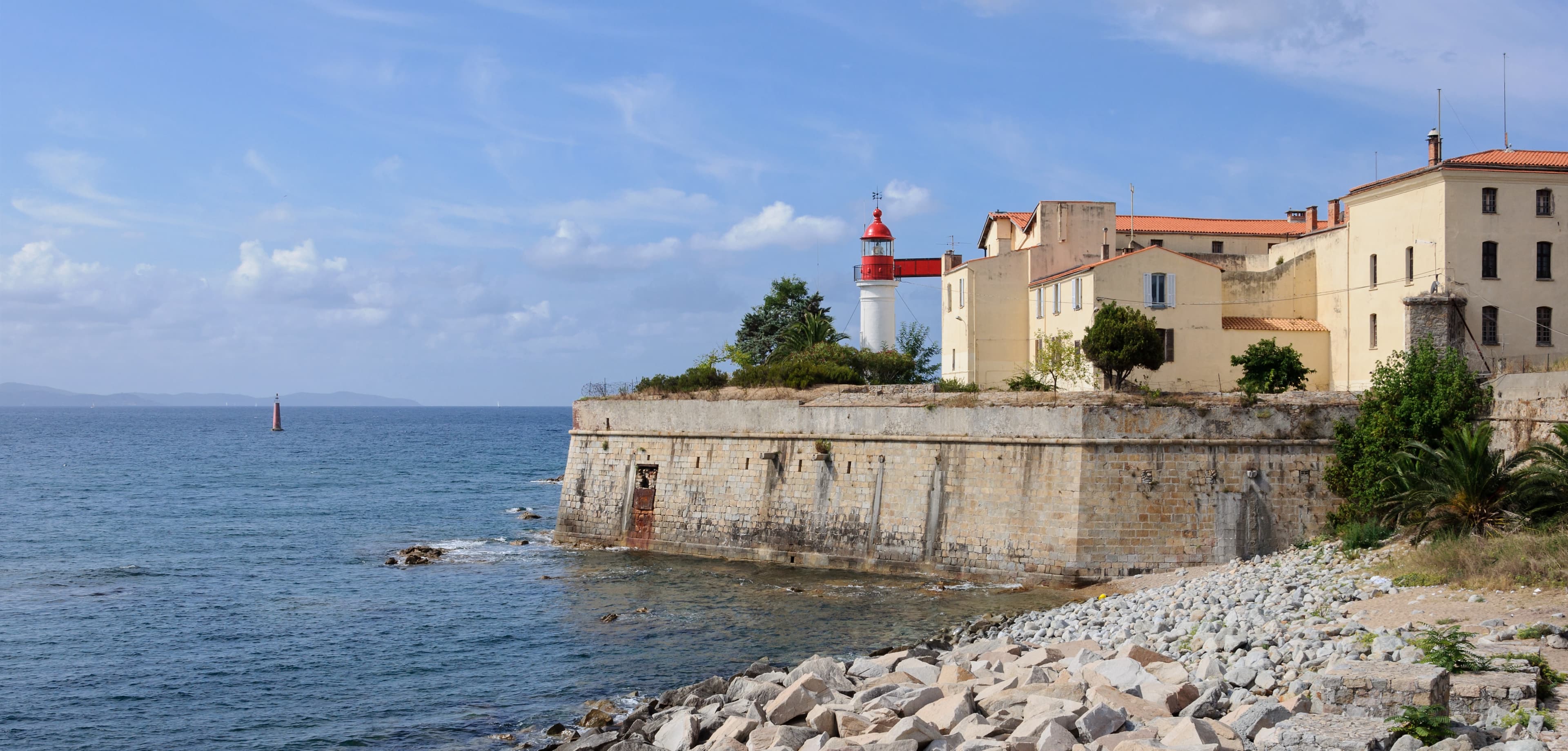
A day here tends to start in the maquis, the dense scrub of myrtle, rosemary and cistus that covers so much of the island and gives it its smell. By mid-morning you may be in Ajaccio, a city of grey stone and tall shutters that keeps its Napoleonic connections quietly, with the harbour busy and the cafés on the Cours Napoléon full of conversation. Corte is a different pace altogether, a town built on a granite spur with its citadel looming over the Restonica river, where students and shepherds share the same market square. Bonifacio asks for more effort: a stairway cut into the cliff leads down to a harbour lined by walls that seem to grow out of the rock. Lunch is charcuterie, cheese from sheep's milk, and bread eaten slowly. In the afternoon the road winds through chestnut woods or along the coast, and somewhere a sandy cove turns the water the colour of glass. By evening the granite walls have caught the light and turned a deep orange, and the air cools as the scent of the scrub rises again.
Corse does not reward hurry. Its roads are slow, its towns small, and its landscapes change so fast that a single afternoon can take you from high pine forest to a coast of pink rock. Those who leave often find they are already planning how to return, thinking less about what they saw than about the particular quiet of the mountains above the sea. The island holds onto people in that way, through the light on the granite, the sound of wind moving through the maquis, and the sense that the land is far older than any road across it.
Areas

Cities
Boats
Explore charter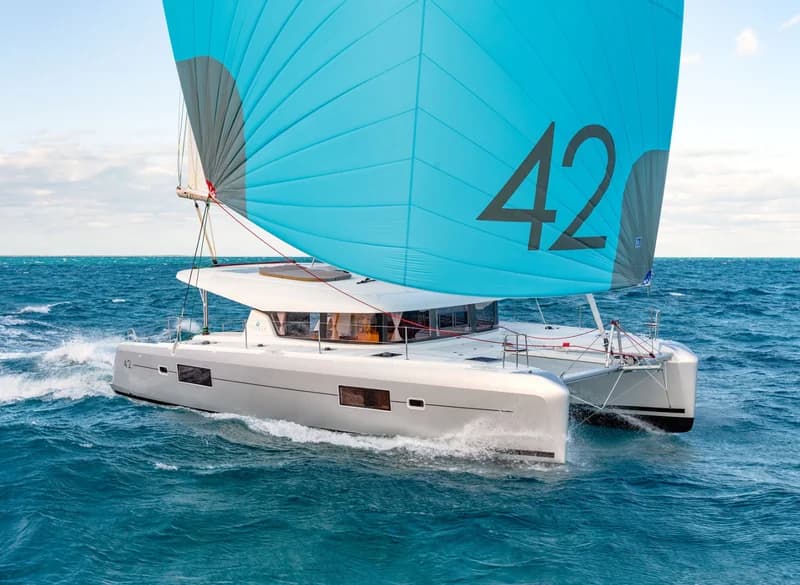
Boat
Lagoon 42 - 4 + 2 cab. - Take It Easy 2 - 2025
Port de Bonifacio
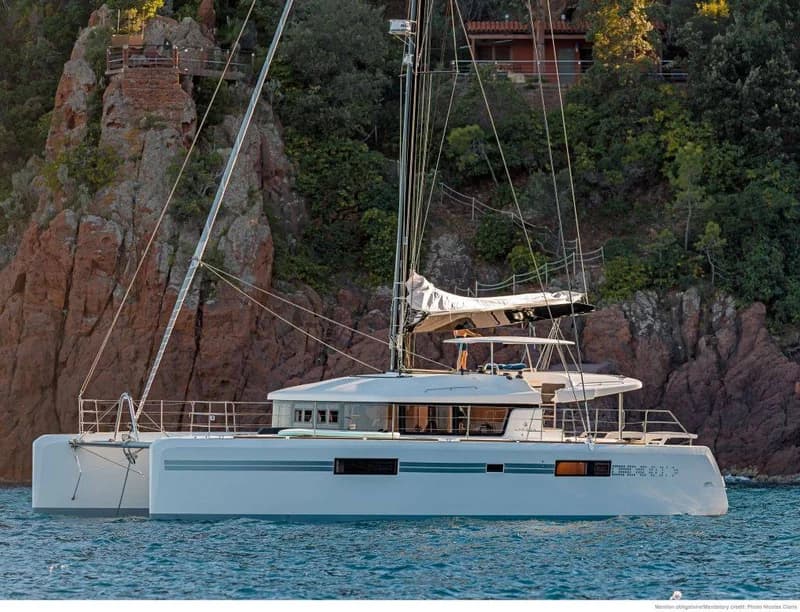
Boat
Lagoon 52 - 6 cab. - Takamaka - 2016
Port de Bonifacio
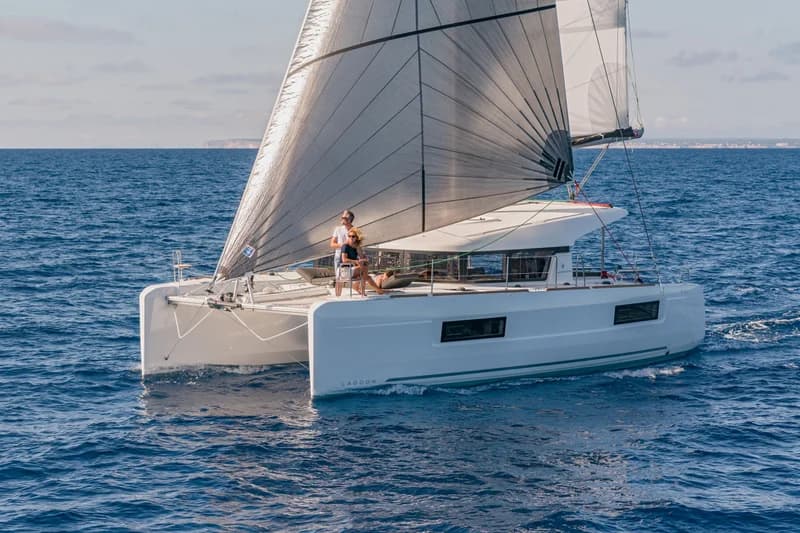
Boat
Lagoon 40 - 4 + 2 cab - Coconut - 2024
Port de Bonifacio

Boat
Lagoon 42 - 4 + 2 cab. - Take it easy - 2021
Port de Bonifacio
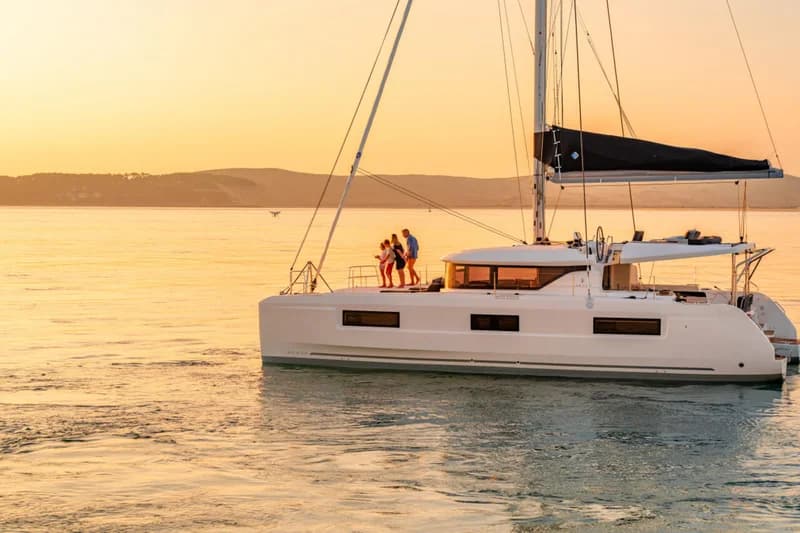
Boat
Lagoon 46 - 4 + 2 cab. - Bula - 2023
Port de Bonifacio
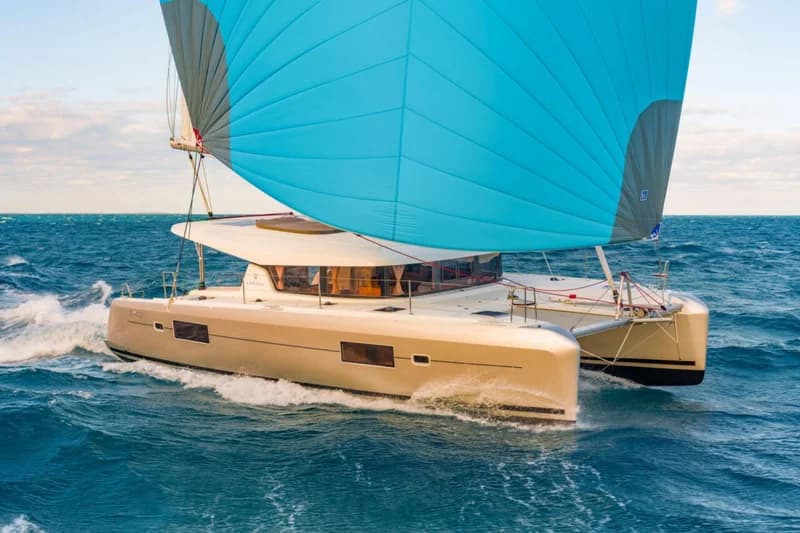
Boat
Lagoon 42 - 4 + 2 cab. - Numerobis - 2024
Port de Bonifacio