Stayinto · Administrative region
Maryland
A heron stands motionless in a tidal creek at dawn, and the Chesapeake spreads brown and flat beyond it. Maryland packs mountain ridgeline, farm country and drowned shoreline into a single state that can be crossed in an afternoon.
Maryland
Begin in the west, where the Appalachian ridges rise in long, forested folds above Garrett and Allegany counties. The air is cooler there, the towns are small and spaced far apart, and the Youghiogheny and Savage rivers cut through hemlock gorges. Moving east, the land loosens into the Piedmont, a country of rolling pasture, stone farmhouses and white board fences, where the hills around Frederick and the horse farms of the north feel settled and unhurried. Baltimore interrupts this with its dense brick rowhouses, church spires and working harbor, a city that grew around its docks and still smells faintly of salt and diesel. Further south and east, the Western Shore gives way to the Chesapeake's tidal peninsulas, where Southern Maryland's river farms and tobacco-era plantation houses look out over the Patuxent and Potomac. The Eastern Shore is different again: flat, marsh-edged and quiet, with grain fields running to the water and villages whose porches face the wind.
A good day here might start in Annapolis, the state capital, where brick streets run down to a harbor full of masts and the gilded dome of the State House rises above the old town. Walk the waterfront, then drive east across the long bridge over the bay. On the far side, St. Michaels is a town of clapboard houses, a maritime museum and shops selling carved wooden decoys. Stop for lunch at a crab house where paper covers the tables and the steamed blue crabs arrive heaped on newspaper, cracked with wooden mallets, eaten with the fingers. In the afternoon, head to Chestertown on the Chester River, where Georgian brick lines a quiet waterfront and Washington College's old campus looks over the water. Or take the road south-east to the Atlantic coast, where the dunes give way to the boardwalk at Ocean City, a broad strip of sand and fried dough that feels nothing like the bay, though it belongs to the same state.
Leaving at dusk, the bridge lights string out across the water, and the marsh grass turns gold in the last of the sun. It is the sort of place that makes you want to stay longer than you planned, to find another creek road, another porch, another stretch of shore where the tide has been doing the same slow work for centuries. Maryland rewards that wish. Its coast, from the bay's reedy edges to the ocean dunes, is not an add-on to the rest of the state but the place where all its parts meet.
Boats
Explore charter
Boat
Fountaine Pajot MY6 - La Dolce Vita - 2025
Annapolis, Chesapeake Bay

Boat
Fountaine Pajot Astrea 42 Maestro - Serene Blue - 2021
Annapolis, Chesapeake Bay

Boat
Dufour 530 - 4 cab. - Liliana Bella - 2021
Annapolis, Chesapeake Bay
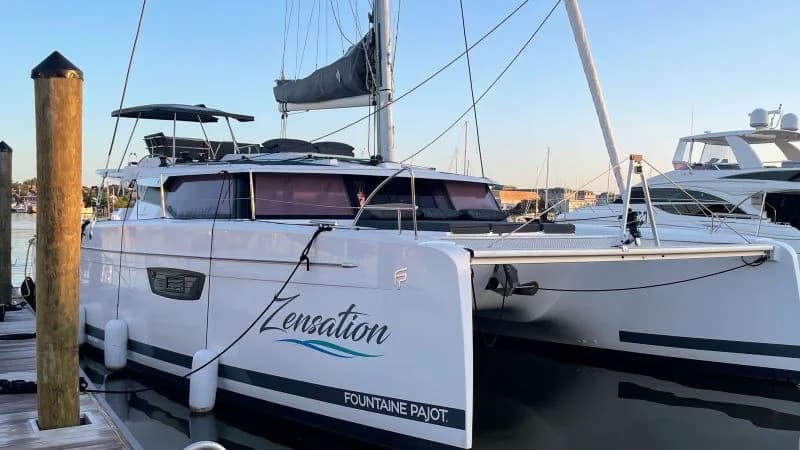
Boat
Fountaine Pajot Tanna 47 - 5 cab. - Zensation - 2023
Annapolis, Chesapeake Bay
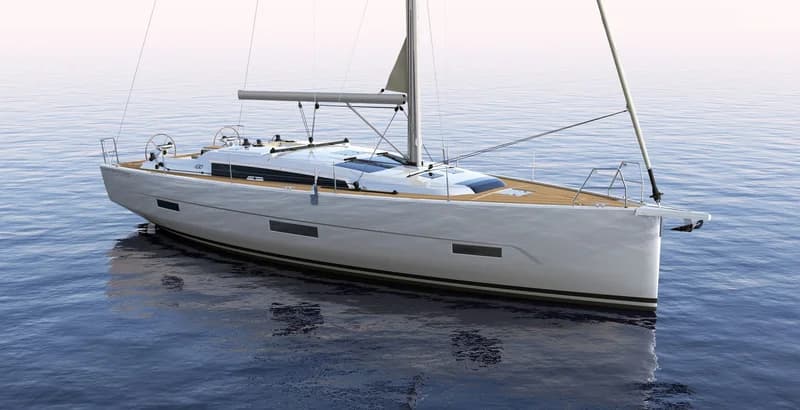
Boat
Dufour 430 - 3 cab. - Opportune Moment - 2021
Annapolis, Chesapeake Bay
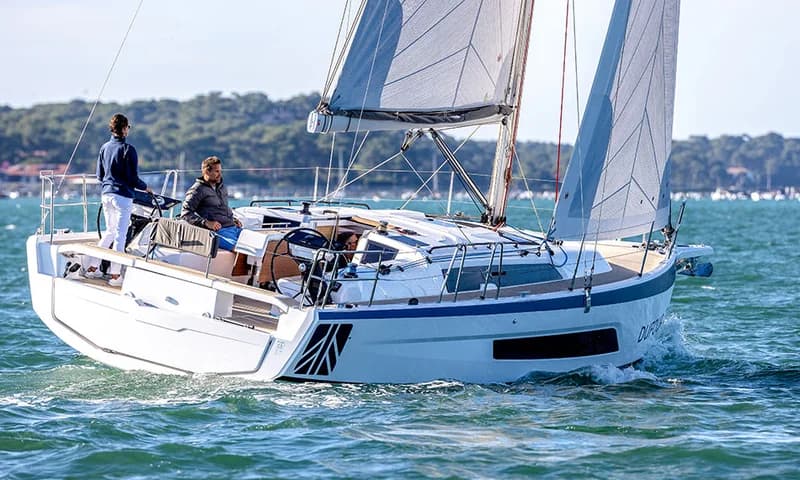
Boat
Dufour 37 - 2 cab. - Miss Daisy - 2024
Annapolis, Chesapeake Bay