cimetières de tombes médiévales stećci
Monument
Stayinto · Administrative region
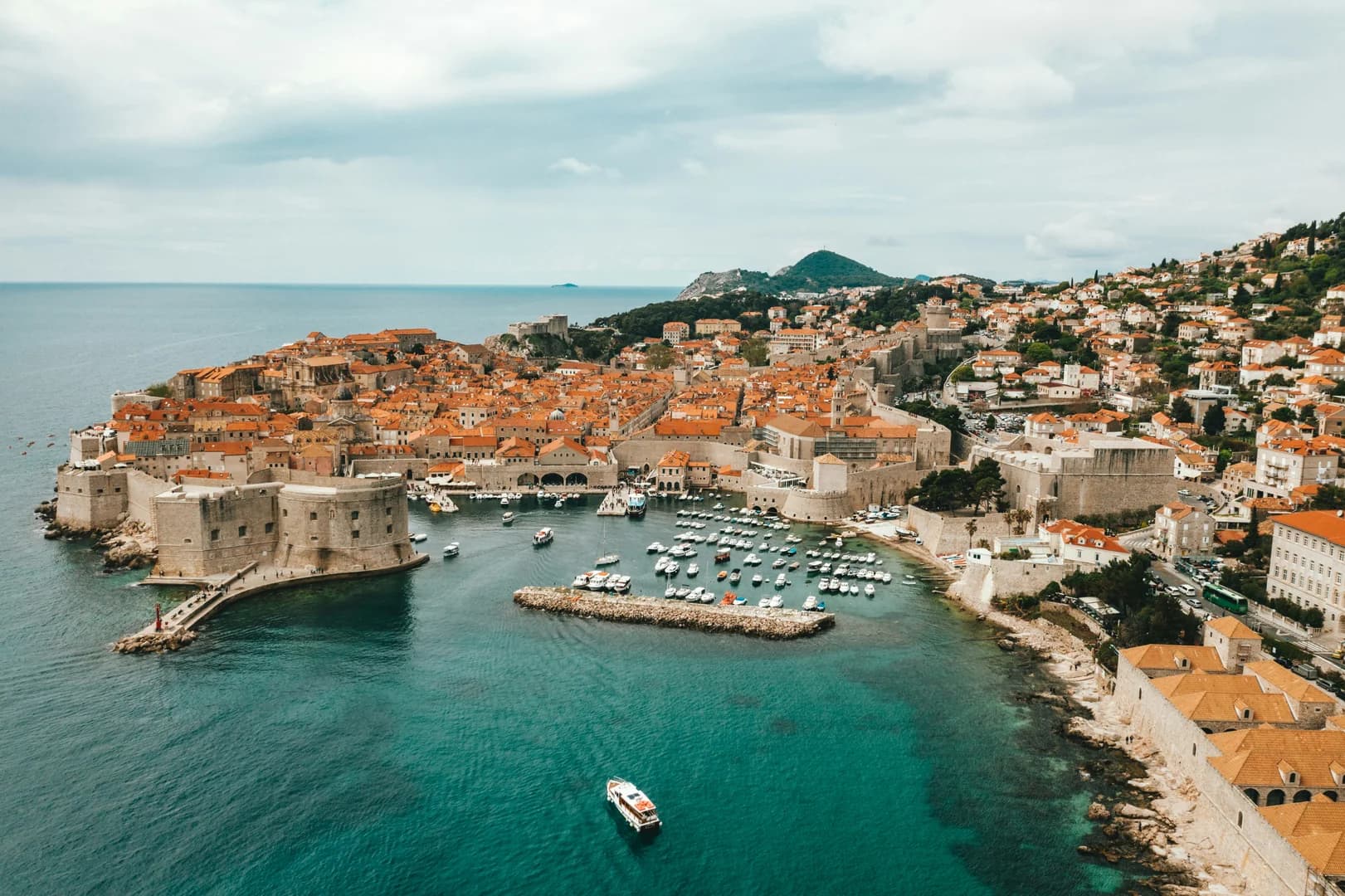
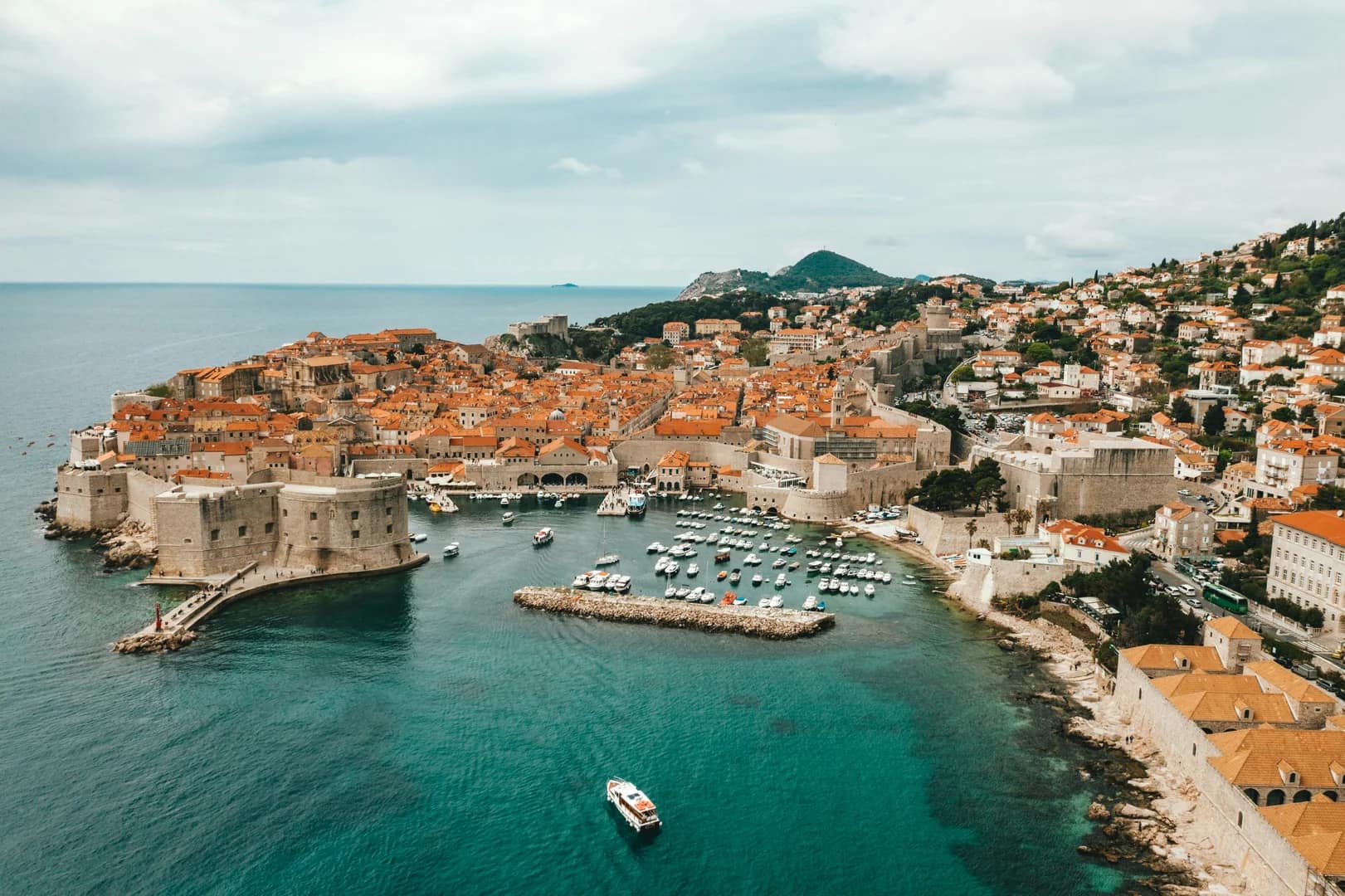
From the sea wall of Dubrovnik, limestone steps fall toward a harbour that holds the pale town upside down. The county beyond it runs south-east to the Montenegrin border, a coast of inlets and peninsulas.
The region changes almost with every bend of the road. Around the city the character is urban and layered: bells over terracotta roofs, cafés on worn marble, and a walled core that feels like one room with many doors. Head north-west and the land opens onto the Neretva delta, where the river spreads into reed beds and orchards of citrus and kiwi. Here the pace slows to tractors on dirt banks and fishermen mending nets by the water, and the air smells of wet earth as much as sea salt. Across the channel the Pelješac peninsula rises as a long spine of vineyards and dry scrub, its villages facing the open Adriatic on one side and a sheltered bay on the other. Further south-east, the Konavle valley sits in its own hollow, a patchwork of fields and stone houses with a rural formality that feels older than the coast itself.
A day here has its own rhythm. Start early on the walls at Ston, where the fortifications climb the hillside in a long grey zigzag and the town below is quiet enough to hear the gulls. Walk down to the bay for oysters eaten standing at a counter, cold and briny, with a glass of local white. In the afternoon take a boat out to the Elafiti islands, where Lopud's pine-shaded lanes lead to a sandy beach and the wake of a passing boat slaps against the stone quay. Mljet offers another kind of day altogether: a national park of still freshwater lakes inside dense forest, where the crossing itself makes you slow down. The water here is clear enough to see the seabed over pale sand, and in the evening the light turns the old walls gold before it fades.
The wish to stay comes on the last evening, when the lights of the ferries wink out across the channel and the bells sound from behind the city walls. It is the sort of place where you find yourself planning a second visit before you have left the first. The coast is not a separate attraction here but part of the same land: the salt in the air, the stone underfoot, the nets drying on the harbour rail. Staying would mean learning which lane to take at dusk, which bench catches the last sun, and which old woman sells figs at the edge of the market. The region rewards those who linger, and it asks for little more than time.
Monument
Monument
Monument