Monaco
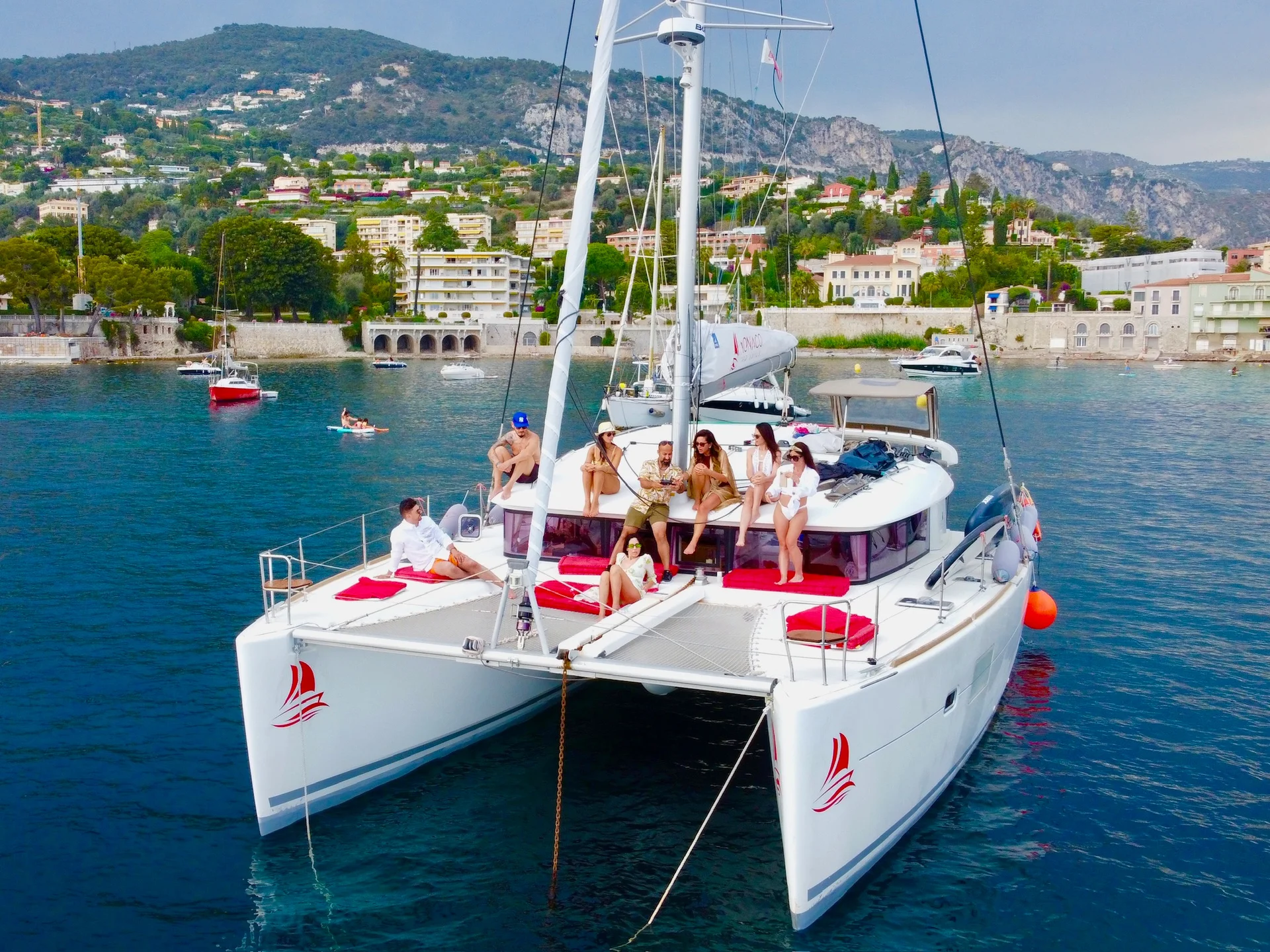
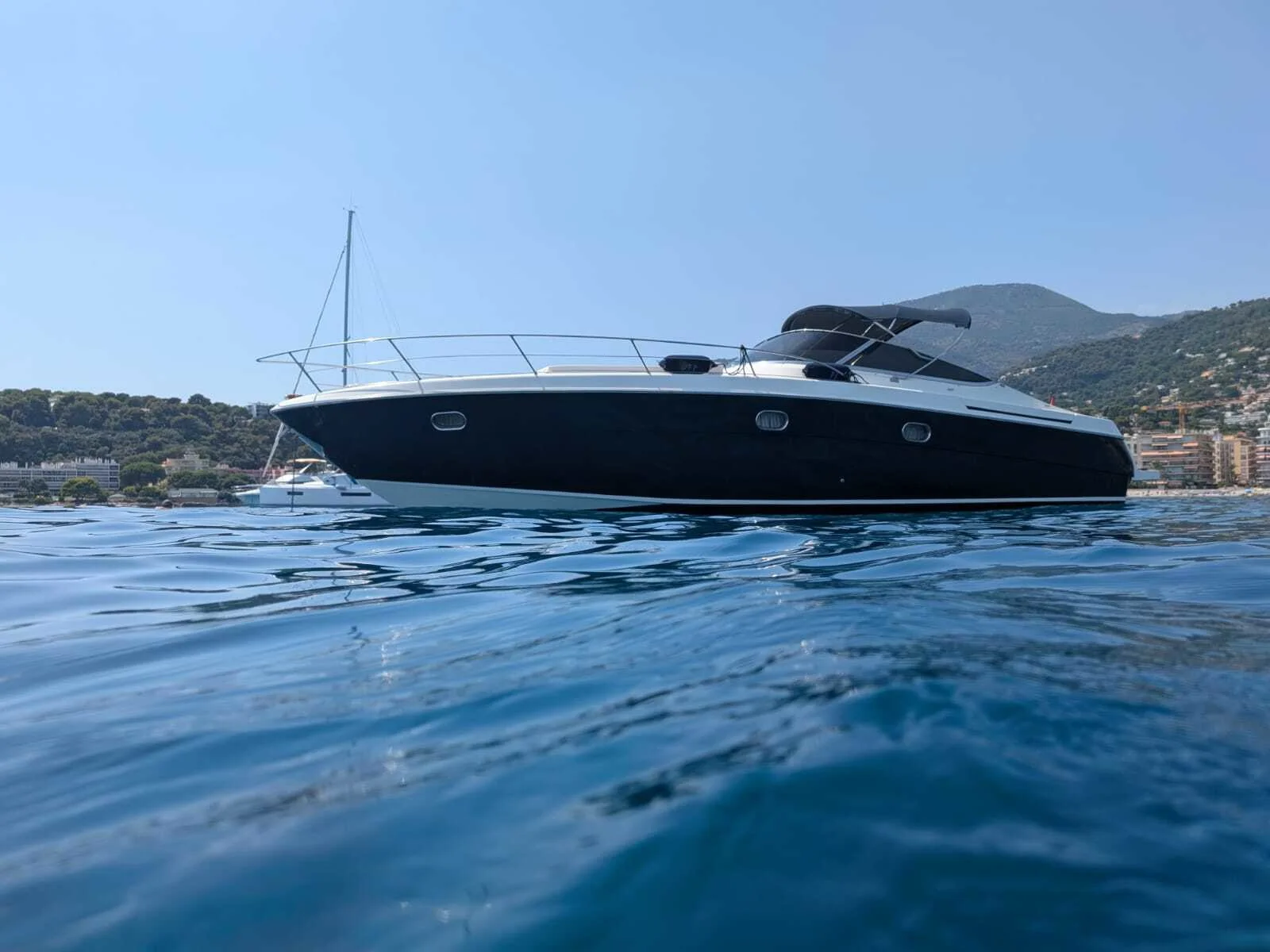
Monaco sits on the Mediterranean, where the coastline rises steeply from the water and the sea shifts in shades of blue. From the harbour, the town climbs above the boats, and the open water ahead feels close and unhurried. Setting out here means leaving a dense, glittering skyline behind and turning toward a coast that rewards slow looking.
Discover MonacoMonaco is a limestone rock packed with pale stone and terraces, its harbour cupped beneath the palace walls like something held in two hands. Every street here climbs or drops toward the water, so the sea is never more than a turn away.
The city is best learned on foot, by the staircases and steep lanes that link one level to the next. The buildings are cream, ochre and rose, many with green shutters and iron balconies, and they catch the sun early and hold it late. In the morning Condamine wakes slowly: delivery vans idle at the kerbs, shopkeepers hose the pavements, and the bakeries fill the air with butter and bread. Older men settle on benches in the shade while the tram-line dust settles on the pavements. By evening the light turns honey-coloured on the rock face, the lamps come on along the quays, and the harbour doubles every mast and terrace in its dark water. People walk slowly then, as if the city had agreed to take its time.
The Rock itself is the spine of everything. At its summit stands the Prince's Palace, a fortress with a pink-and-ochre front and a changing of the guard at the gate that draws a small, quiet crowd at midday. Below it the old town spreads in narrow streets whose names still carry the weight of its Genoese past. On the far side, Monte-Carlo opens out into a square of gardens, fountains and the grand casino facade, with the bay curving away beneath it. Port Hercule lies at the foot of the cliffs, a deep harbour where the yachts sit close together, their names painted in gold on the transoms, and the quays are lined with cafés whose tables are always half-full. Along the coast, Larvotto offers a narrow strip of sand where the city swims, and Fontvieille, built on land reclaimed from the sea, gives the city a quieter edge of gardens and wide walks. The Exotic Garden is cut into the cliff, its cactus terraces overlooking the water, a reminder that this small state has always looked outward.
What lingers is the way the city keeps its scale. Within a few minutes you can move from a palace courtyard to a harbour lined with white hulls, from a stone stair to a sandy beach, and each change feels deliberate, almost choreographed. The sea is not a backdrop here; it is the reason the streets run as they do, the reason the palace looks out over it, the reason the bakers and the boatmen share the same early hours. Leaving is the hard part. The wish is to stay on a little longer, to walk the last lane above the harbour as the lamps flicker on, and to hear the water against the quay until it is too dark to see it.
Hanbury botanical gardens
Landmark
Spiaggia del Darsenún
Beach
12 min on foot
Capo Mortola Beach
Beach
6 min on foot
Hawaï
Beach
12 min on foot
Rondelli
Beach
15 min on foot
des Sablettes
Beach
4 min on foot
du Marché
Beach
9 min on foot
du Casino
Beach
7 min on foot
 Matisse MuseumMuseum12 km away
Averages 2016-2025
9°
Jan
10°
Feb
12°
Mar
14°
Apr
18°
May
23°
Jun
26°
Jul
26°
Aug
22°
Sep
18°
Oct
13°
Nov
10°
Dec
Jun – Aug
25°
Sea 26°
Dec – Feb
10°
Sea 15°