


Cultural Landscape of the Serra de Tramuntana
Monument

Stayinto · Administrative region
Early light lies flat across the stone terraces above Sóller, where dry-stone walls drop in steps toward a sea so blue it looks painted onto the photograph. The Balearic Islands hold that colour within a small, scattered archipelago off the eastern coast of Spain, and every island seems to keep a different version of it.
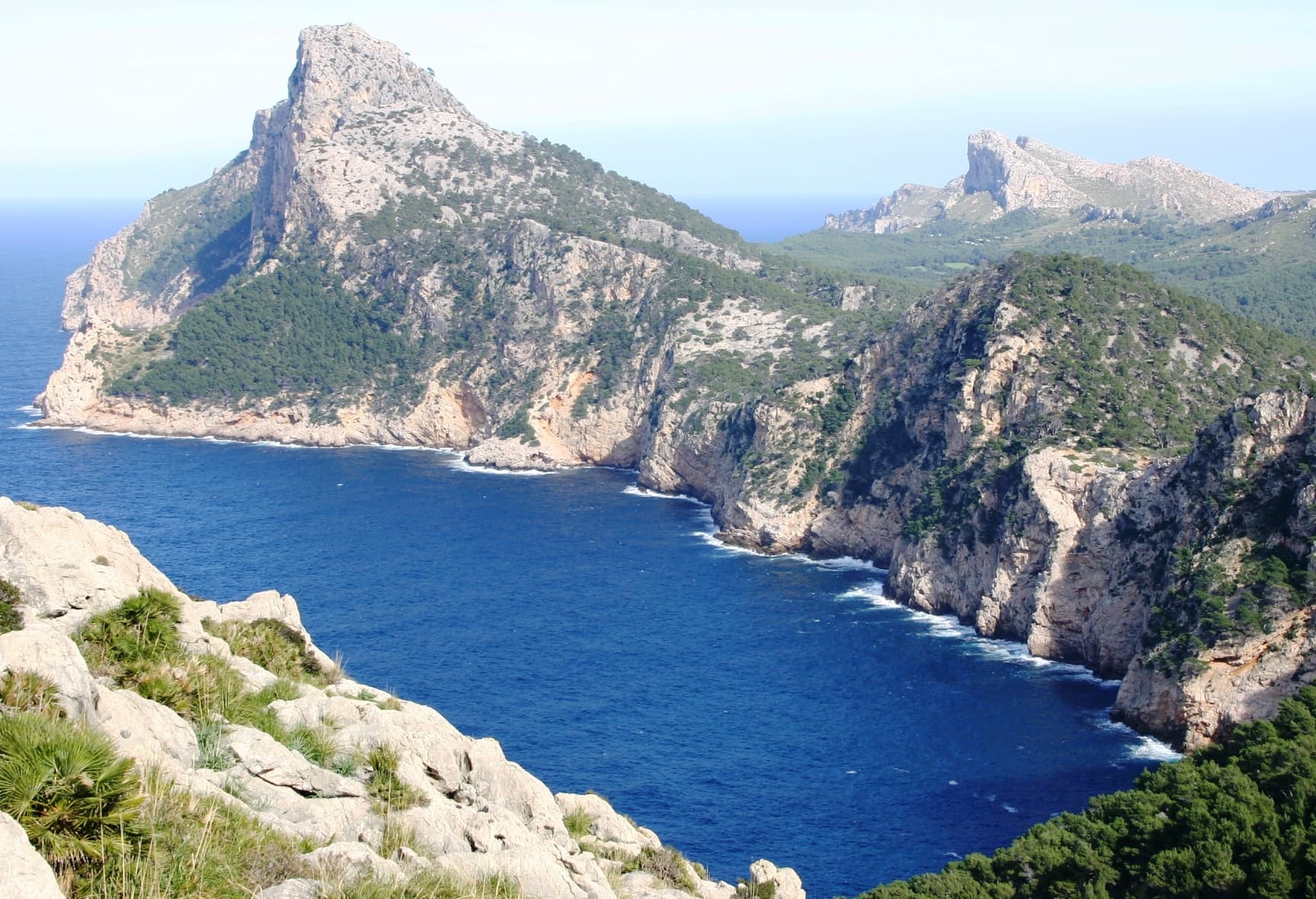
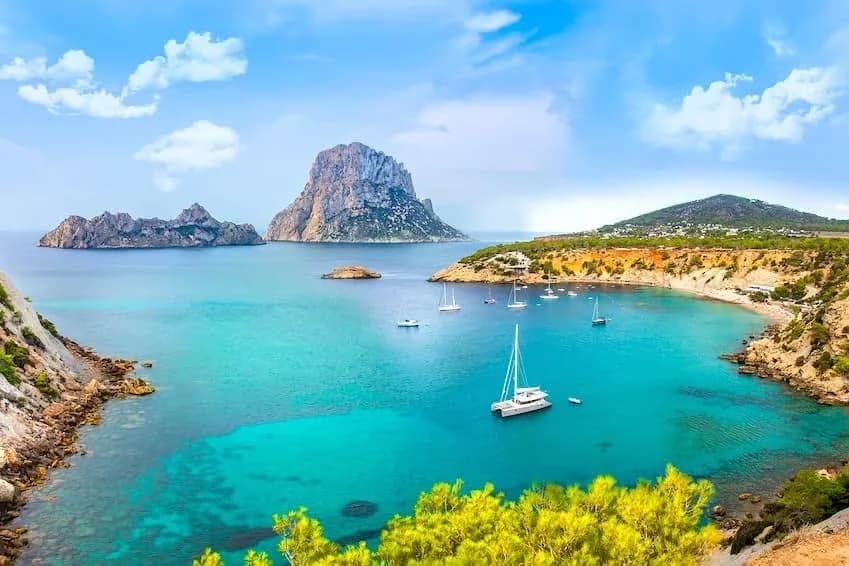
Mallorca, the largest, works in layers. In the north the Serra de Tramuntana rises in grey limestone ridges, its roads bending through holm oak and pine, and the villages cling to the slopes with a hard-won, weathered calm. Cross the central plain and the land softens into almond groves, vineyards and farmhouses built of honey-coloured stone, with the sense of a place that has farmed the same earth for centuries. The south is looser and more open, with salt flats and long sandy coves. Menorca feels older and more private. Its landscape is low and green, broken by stone walls and ancient talayots, the drystone towers that the island's first inhabitants left behind. Ibiza is hillier and more theatrical, its old walled town stacked above the harbour in whitewashed lanes, while its western coves hold a quieter, wilder character. Formentera, the smallest of the group, is flat, pale and windswept, its pine woods and dunes giving way to water so clear it seems to have no depth at all.
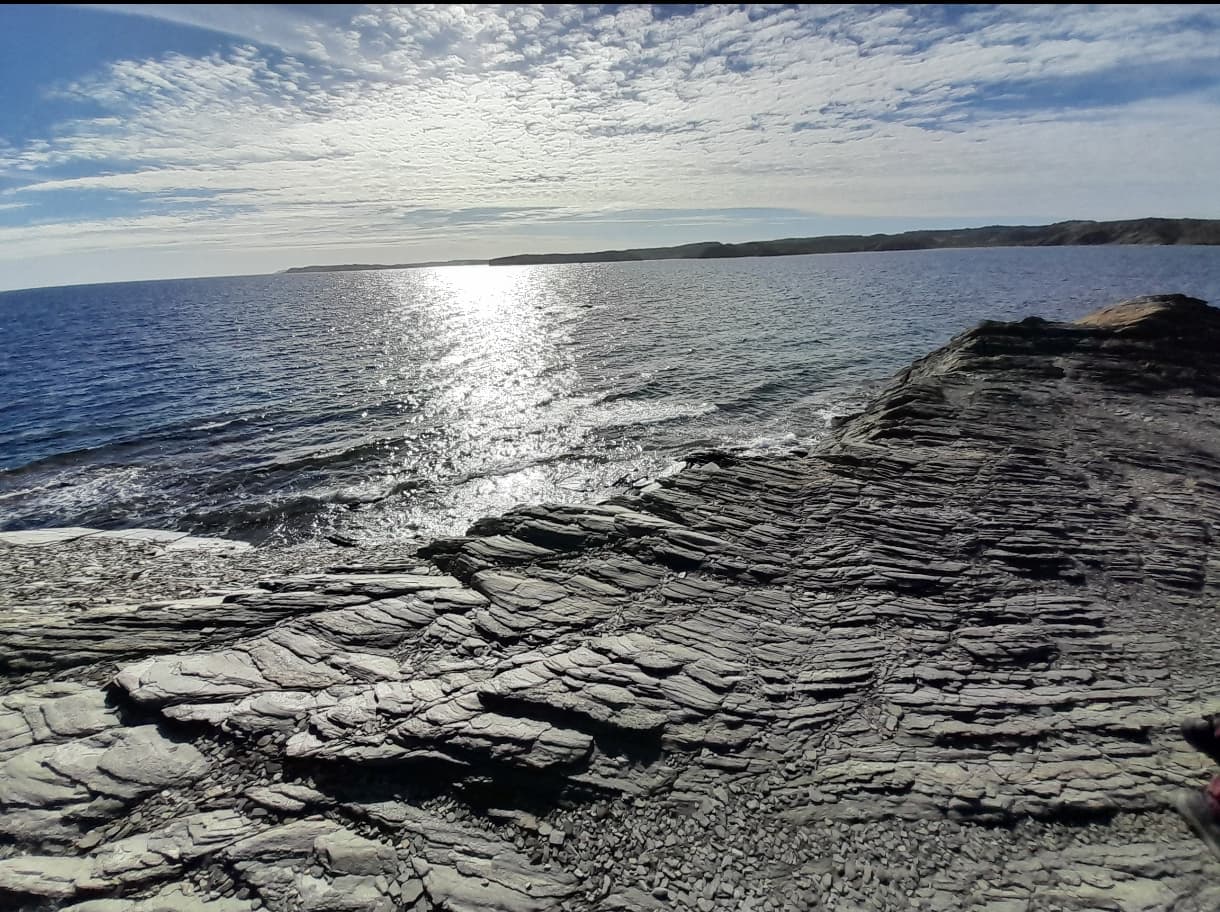
A day in the region tends to begin in a harbour. In Palma, the cathedral stands above the marina, and the old streets of the town wind down toward cafés where people linger over coffee long after the boats have gone out. In Ciutadella, on Menorca, the honey-coloured lanes rise and fall around a cathedral, and the pace is slow enough to notice the iron balconies and the smell of bread from an early oven. Mahón, on the same island, sits along one of the deepest natural harbours in the Mediterranean, its quays busy with fishing boats and its cheese shops full of hard, aged Menorcan cheese. Inland, a drive through Mallorca's mountains might end at a monastery or a cliff path, while the coast offers stretches of rock and pine where you can swim before lunch and sit in the shade until the afternoon cools. Ibiza's sunsets at Sant Antoni are famous for a reason: the sky turns amber and then rose as the crowd on the rocks falls quiet, and the bay below catches every shade.
What stays with you is less any single view than the way the region holds together. The mountains, the farmland, the walled towns and the bright, shallow sea all feel like parts of one long conversation, and each visit seems to add a new sentence. People return less for a checklist than for the feeling of having slowed down. You leave with salt on your skin and the sense that there is still a cove you have not reached, a village road you have not driven, and a morning you would like to spend watching the light move across the terraces once more.
Monument
Monument
Monument
Monument